
Proven Leadership for Laguna’s Future
Laguna turns 100 in 2027, and the next four years will shape our next century. Here's what I've done and what I'll do next, focusing on four priorities.
Explore the Priorities:
MY TOP PRIORITY
Keep Emergency Care in Laguna
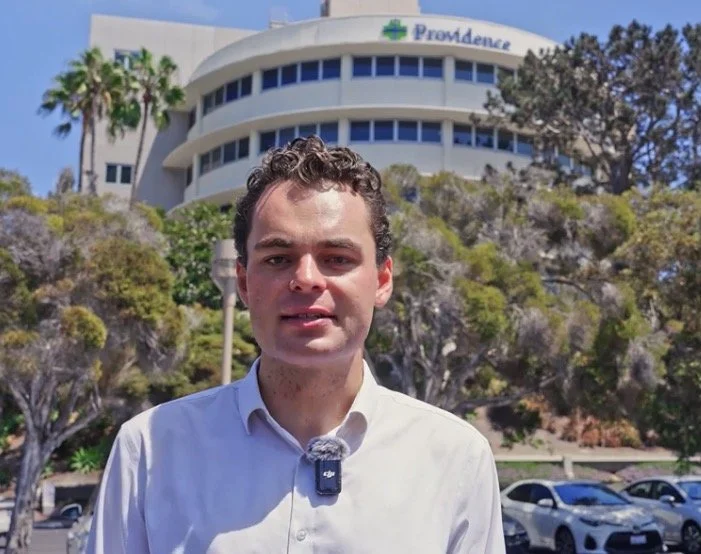
My top priority is keeping emergency care in Laguna Beach. Providence has said it won't meet the state's 2030 seismic deadline and will stop operating an acute care hospital here after that. Under state law, the ER closes when the hospital closes. I wrote the Hospital Action Plan that the council adopted in March and co-chair the Hospital Task Force with Councilmember Bob Whalen. In August, Providence agreed to study a smaller hospital that keeps an emergency room. While a study is not a commitment, it is real progress. We're exploring every option to protect access to emergency care in Laguna; the stakes could not be higher.
Public Safety & Emergency Care
-
Keep emergency care in Laguna Beach
In 1953, Laguna Beach Police Officer Gordon French was shot in the line of duty. He died on the drive to Hoag Hospital because Laguna didn't have a hospital of its own. The community raised the money and built one, including an emergency room.
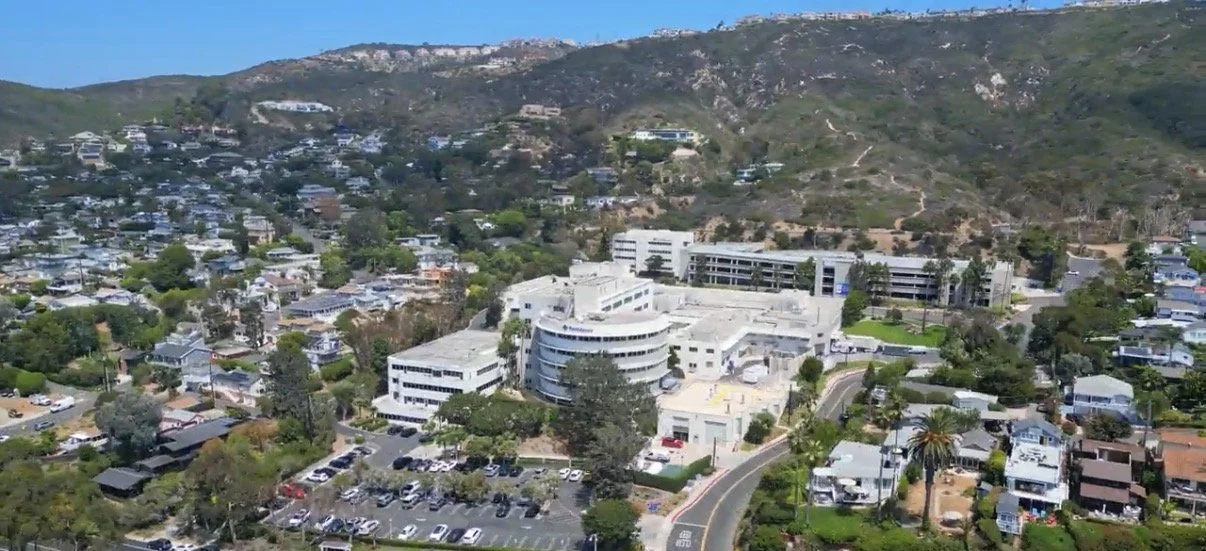
Now Providence says it won't meet the state's 2030 seismic deadline and will stop operating an acute care hospital here after that. Under state law, the ER closes with the hospital. Our ER saw 14,827 visits last year, and 6 in 10 of our Fire Department's ambulance transports go there. Here’s what I’ve done and what’s happening now:
Wrote the Hospital Action Plan that the council adopted in March. Bob Whalen and I co-chair the 16-member resident Hospital Task Force it created.
Made the case with data. On a ride-along with our firefighters in July, one trip to Mission Viejo took an engine and its crew out of town for an hour and 40 minutes. Losing our ER would make that routine.
Took it to the Attorney General. We met with the Attorney General's staff in July and followed up with a letter asking for further investigation. The office's 2009 and 2016 reviews both found this ER essential. We've also met with the County, our state legislators, nearby cities and other hospital operators.
Pressed Providence to consider a smaller hospital that keeps an emergency room. In August, Providence agreed to study this solution. While a study is not a commitment, it is real progress.
Planning for the long term. We're working toward emergency care in Laguna that doesn't depend on any one hospital operator, including state legislation in 2027 that would allow a standalone emergency room.
-
Invest aggressively in prevention and mitigation
In Laguna Beach the question is not if, but when, the next wildfire happens. As mayor during the Rancho Fire, I witnessed our city at its best: prepared, coordinated, and resilient. The fire was held to 4.6 acres—the result of deliberate preparation rather than luck. Fuel modification done in the canyon a few months earlier slowed the fire down, and from the first minutes, our response was coordinated across agencies.
Laguna Beach Firefighters support my campaign, writing in their official endorsement, “We have never seen a City Council more focused on fire safety, and Alex Rounaghi has been part of that since his first day in office." [Read the full endorsement: link to Endorsements page, to be added]
More than $30 million invested since 2019 to fund implementation of the 2019 Wildfire Mitigation Plan, including new fuel modification zones, undergrounding of powerlines, citywide outdoor warning sirens, fire-detection cameras and evacuation planning. After the Palisades Fire, the city adopted the 2025 Wildfire Mitigation and Fire Safety Plan to build on that work with more undergrounding along evacuation routes, expanded fuel modification on public land, hardened public infrastructure, and help for residents with evacuation planning and home hardening.
Led the development of the fire department's strategic plan, which added the first new firefighters in decades. By funding and implementing the strategic plan, the city earned an ISO Class 2 rating, held by fewer than 1 in 10 departments nationwide.
-
Hire and retain the best officers
Police departments compete for the same small pool of qualified officers across Orange County. When pay falls behind, officers leave for neighboring cities, and response times suffer. Since my election in 2022, I've demonstrated my commitment to fully funding our police department. I regularly do ride-alongs and recently shadowed our dispatchers, witnessing the complexity of their jobs firsthand.
Fully funded the police department to reduce vacancies. In 2022, only 42 of the department's 55 sworn officer positions were filled. My first vote on the city council was to support a competitive contract that allowed the department to reduce vacancies and achieve full staffing. We also funded additional sworn officers. Motorcycle traffic officers doubled from 2 to 4, with a new traffic unit focused on speeding and loud exhaust.
Funded an in-house municipal prosecutor to enforce municipal code violations that the district attorney doesn't prosecute.
Record-low crime. Reported crime in 2024 and 2025 was the lowest ever recorded for Laguna Beach, down 37% from 2022, and in 2024 Laguna had the lowest violent crime rate of any coastal city in Orange County, according to California Department of Justice data.
Achieved faster police response to serious crimes. Police now reach the most urgent 911 calls in 3 minutes and 9 seconds on average—51 seconds (21%) faster than in 2023, according to the Police Department's performance measures in the city budget.
-
Protect residents' quality of life in summer
More than 6 million visitors come to our town of 23,000 each year, bringing not just traffic, but also trash and wear to our beaches and neighborhoods. There's no simple fix. The California Coastal Act guarantees public access to the coast, so Laguna can't cap visitors or close beaches, and new paid parking or higher rates need Coastal Commission approval. What we can do is enforce our laws, keep beaches clean, and have visitors cover more of the cost.
Doubled park rangers from five to ten over the last four years.
Supported the 2026 ordinance keeping tents and canopies off the beach. This makes everyone at the beach safer by ensuring that our lifeguards have adequate line of sight. (Voice of OC)
Stepped up enforcement. Summer beach citations rose 79% from 2023 to 2025, from 1,859 to 3,329. This summer, parking citations were up 20%, drinking and smoking citations up 34%, and loud-exhaust citations up 15%.
Supported the city's stewardship initiative to keep beaches clean in summer. In summer 2025 we tripled daily trash pickup, added 62% more trash cans in South Laguna, doubled day porters downtown and at Main Beach and Heisler Park, and groomed Main Beach up to five times a week.
Made day visitors pay more of their share. About 95% of our visitors are day-trippers who pay no hotel tax, so parking is the best way to fund mitigation of visitor impacts. I helped win Coastal Commission approval to add more than 500 paid spaces in South Laguna and increase parking rates citywide, so visitors cover more of the cost of enforcement, trash pickup and beach cleaning.
-
Retain an emergency room in Laguna Beach that can accept ambulance transports, so emergency care doesn't depend on who operates the hospital. This is my top priority.
Expand our state-of-the-art wildfire defenses, including AI detection citywide and innovative tools to mitigate our risk. Laguna should be the model for how a fire-prone town prepares.
Continue investing in data-driven policing to keep Laguna the safest coastal community in Orange County. Keep police fully staffed to reduce visitor impacts in summer.
Infrastructure
-
Achieve local water reliability
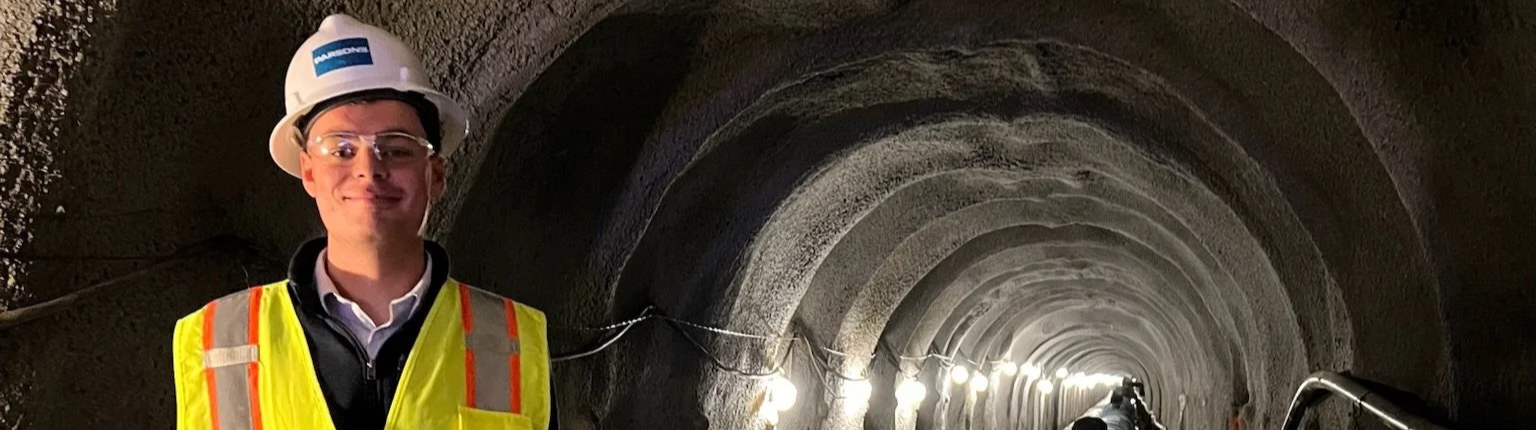
The water rights those five "duck hunters" secured in 1924 served Laguna for decades. Over time the groundwater went salty and unreliable, and the Water District switched to imported water. Today all the water the district delivers is imported from the Colorado River and Northern California, at prices set by regional agencies Laguna doesn't control. As a director and former president of the Laguna Beach County Water District, I've worked to bring our water supply back under local control so it's more resilient to droughts and earthquakes, and less exposed to rising import costs.
Negotiated and signed a historic groundwater agreement with Newport Beach and Fountain Valley, transitioning Laguna Beach from 100 percent imported water toward a majority-local supply. The new well in Fountain Valley will deliver up to two-thirds of the district's water starting in 2028, saving ratepayers between $500,000 and $1 million a year. The partnership won the 2026 Golden Hub of Innovation Award from the Association of California Cities, Orange County.
Leading the study of the Doheny Desalination Project, I serve on the Water District's ad hoc committee evaluating the project, working with South Coast Water District on a project that could complete Laguna's water independence. We're weighing cost, risk and alternatives before committing ratepayer money.
Doubled water storage for South Laguna. South Coast Water District, which serves South Laguna, rebuilt its Reservoir 2B at double the old capacity, so there is more water on hand for daily use and for firefighting. I serve on the City's South Laguna Water and Sewer Committee.
-
Keep sewage out of the ocean
Laguna's topography means sewage has to be pumped uphill. The City runs 97 miles of sewer main and 26 lift stations, the most per capita in California, and much of it was built between the 1930s and 1960s. Decades of deferred investment have shown up in the form of spills—about 2.7 million gallons of sewage spilled since 2007, nearly all of it reaching the ocean. That’s the highest volume of any Orange County public agency in the state's spill database. A single break on Thanksgiving 2019 released about a million gallons, and a 2025 spill closed more than two miles of coast. Spills also expose the city to state enforcement. Fixing this problem is now funded and underway, along with the storm drains that carry street runoff to the beach.
Prioritized the first-ever Wastewater Master Plan. The plan assessed 97 miles of pipe, 26 lift stations (most per capita in California), 400 manholes, and 25 diversion structures, producing a prioritized $100M+ capital pipeline. These investments will mitigate the risk of future sewer spills.
Negotiated the SOCWA reorganization that funds the Coastal Treatment Plant. When Moulton Niguel Water District left the agency in 2024, Bob Whalen and I served as the city council's ad hoc committee and turned the exit into $21.5 million for the remaining agencies, including $12.5 million for improvements at the plant that treats all of Laguna's sewage, and $8.7 million for Laguna overall. The reorganization won the Orange County Taxpayers Association's Rose Award.
Initiated a governance study to examine bringing wastewater management under the control of the City, so that we can comprehensively manage water, wastewater, and stormwater under one roof and more efficiently execute critical capital projects. I also serve as Laguna's alternate board member on the South Orange County Wastewater Authority, which runs the treatment plant our sewage goes to.
-
The buildings the City depends on in an emergency were built before modern seismic standards, including the fire stations and the emergency operations room .
Approved and funded the first new fire station in nearly 60 years in South Laguna, with construction starting this year. It will be our first fire station built to modern seismic standards.
Funded a new emergency operations center, opening this fall, with its own generator and backup dispatch.
Delivered the city's first Facilities Master Plan, with the first $25 million five-year tranche approved in February 2026.
-
Achieve greater water independence by 2028 through the Fountain Valley well and, if the numbers make sense, the Doheny Desalination Project.
Implement a water resources strategy that keeps sewage out of the ocean.: Carry out the Wastewater Master Plan's highest-risk projects, invest in stormwater diversion, and use the $12.5 million to make the Coastal Treatment Plant more reliable, recycle more water and send less to the ocean.
Build a new Fire Station 1 and complete seismic retrofits of Fire Stations 2 and 3.
Government Efficiency
-
Spend wisely, without new taxes
Laguna’s finances are fundamentally strong, with a steady property tax base, very low debt and full reserves. But the next hundred years will demand serious investment in wildfire protection and aging public safety facilities and core infrastructure. The budget is not yet set up to meet those demands—it balances only because about $2.3 million a year moves from the capital fund to cover operations. That’s why I’m working toward a comprehensive long-term infrastructure plan. Sue Kempf and I also believe that before the City asks residents for more revenue, every program and contract should make its case. That's why we're pushing the City to budget from outcomes and close the gap without new taxes.
Found more than $1.5 million in savings for FY 2026-27, and pushed for the rest. Our July 2026 plan directs the City to close the remaining gap with recurring savings or non-tax revenue by the mid-year budget update, so day-to-day operations stop drawing on capital money. This year's budget also cut a net seven full-time positions, the first drop in City headcount in years.
Budget by outcomes, not by the status quo. Proposed three to four performance audits a year, outcome measures on a public dashboard starting with four departments, and quarterly updates to the City's long-term financial forecast. The first performance audit, a review of the Finance Department, is complete.
Opposed new taxes. Adopted balanced budgets without dipping into the City's emergency reserves, and opposed putting sales tax or business license tax increases on the ballot in 2024 and 2026. That restraint is why the City hasn't needed to ask residents for more.
Fix how capital projects get built. Last year the City expected to spend only about a quarter of the $75 million available for capital projects. We need ane 20-year infrastructure plan that shows what gets built, when and with what money, and a cleanup of the roughly 70 older projects still on the books.
-
Faster, more predictable permits for residents and small businesses
For most residents, dealing with City Hall means getting a permit for a kitchen remodel, a new roof, or a home remodel. For too long that process has been slow and unpredictable, and it costs people time and money. It hurts local businesses, too, often leading to empty storefronts. The City can't control rents or what landlords do with their buildings, but we can control our own processes. That's where I've focused. I initiated regular updates to the City Council on permit times.
Cut permit wait times. Since 2024, the wait before a planner first opens a file has dropped from 57 days to 13, and the time from first submittal to building permit for approved projects has fallen from 17 months to about 12.
Launched an AI plan-check pilot. When I shadowed the planning department, staff were checking more than 300 criteria by hand on every set of plans. The pilot handles routine checks, freeing planners to spend their time on judgment calls.
Overhauled the Real Property Report, cutting the fee from about $400 to $40. Every home seller has to buy one. I worked with staff and local realtors to replace it with a simple disclosure. It's cheaper for homeowners, easier for realtors, and takes less staff time.
Pushed to update commercial parking rules. The downtown sandwich shop Wigz took three years to open due to impractical parking requirements. The update moves us toward one blended parking rate, so a new business isn't blocked just because its use differs from the last tenant's.
Streamlined design review for smaller projects. Adopted the Design Review Efficiency Ordinance, which narrows criteria, provides clearer standards, and accelerates projects to staff approval.
-
Close the $2.3 million gap between operations and the capital budget with improved efficiency, not new taxes.
Clarify our long-term infrastructure plan. Adopt one 20-year infrastructure plan and spend capital dollars on schedule.
Budget from outcomes. Set the results the community wants first, give every department goals that ladder up to those results, and measure whether the outcome improved. Implement three to four performance audits a year, and share results on a public dashboard.
Keep streamlining permitting and other processes. Expand the AI plan-check pilot to the rest of permit review, and adopt a City AI policy so the tools are used consistently, with staff review and clear guardrails.
Laguna’s Character
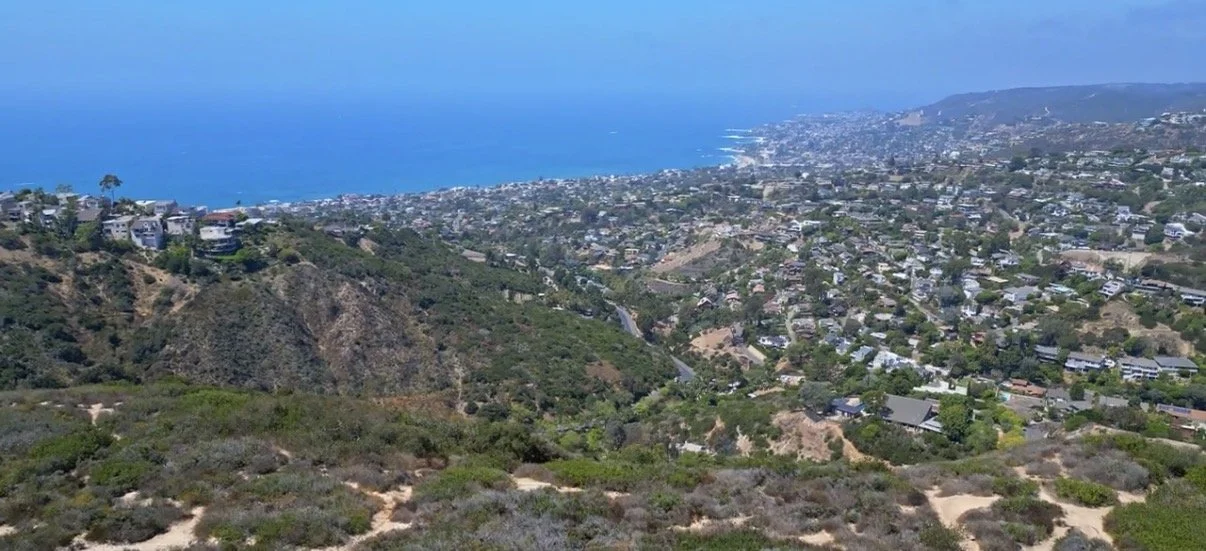
Laguna Beach has seen a lot of change over the course of its 99 years, but its defining hallmarks have stood the test of time: the artists who remain core to our arts colony identity, the natural beauty of our greenbelt, and the distinctive neighborhoods and vibrant downtown that can’t be found anywhere else.
-
Keep Laguna creative
Laguna began as an arts colony. In the depths of the Great Depression, when a festival was the last thing this town could afford, its artists threw one anyway, and by 1941 the town had carved the Pageant of the Masters a permanent home in the canyon: the Irvine Bowl. But we can't have an arts colony if artists can’t afford to live here.
Helped establish the Laguna Beach Community Land Trust, which has permanently preserved about 75 artist live-work spaces. The Trust preserved 25 units at 2307 and 2535 Laguna Canyon Road using an $8 million City loan that it repays, and about 50 more this year funded entirely by private philanthropy.
Brought live music back to the Irvine Bowl. T On the Irvine Bowl Policy Committee, I’ve championed more live music, starting with two sold-out Jack Johnson concerts in November 2025.
Supported the Laguna Playhouse. I negotiated a deal to stabilize the Laguna Playhouse and expand its usage for local non-profits. In response to financial concerns, I served on the ad hoc to negotiate a lease amendment that guarantees 10 weeks a year of reduced rates for nonprofits. (Laguna Beach Indy)
-
Retaining local control while addressing housing needs
Laguna's neighborhoods are unlike those found anywhere else in California. State housing legislation threatens that unique character. Failing to comply with these laws risks expensive lawsuits and the Builder’s Remedy, a legal provision that lets developers ignore our height limit, development standards, and discretionary processes. Complying with these laws on our terms protects Laguna's unique built environment while addressing our community's housing needs.
Kept Laguna in compliance with state housing law, protecting local control and our unique character. The City adopted the 6th Cycle Housing Element in January 2023 and the state certified it in February 2023. This protects the City from Builder’s Remedy.
Expanded affordable housing opportunities through smart planning. Worked with the Coastal Commission to allow second-floor housing on Pacific Coast Highway, where commercial uses are already allowed. A second floor could already be built out entirely as offices, just not as homes. The ordinance changed that. Same buildings, same scale, with the smaller units that tend to be the most affordable housing we have.
Preserved local design control. I helped adopt Objective Design Standards for one- and two-family homes in four Laguna architectural styles, so state-mandated projects follow Laguna's design rules instead of Sacramento's defaults. We also streamlined the design review criteria from 16 to 11.
Championed extending the affordability of Vista Aliso, our largest affordable senior housing community. In July 2023, I proposed an ad hoc committee that will negotiate a lease extension with the school district, which can buy the property for $1 in 2041. The goal is to keep the senior apartments affordable and add about 31 more at Lang Park.
Created the City's Local Housing Trust Fund and used it to draw state matching dollars. The City put up $2.5 million, and the state matched it with $2.5 million from HCD's Local Housing Trust Fund program.
-
Protect our greenbelt, beaches, and watershed
In 1989, when Laguna Canyon was at risk from a massive development, thousands of people marched and against all odds saved the canyon. That effort created the greenbelt that surrounds our town. The protections for our coastline came about the same way: from residents who fought for them. These battles are never over. Protecting our greenbelt and bluebelt is work that has to be taken on by every generation.
Ended chemical herbicide use in wildfire fuel modification. Mechanical treatment is now the citywide standard, which protects the ocean, groundwater, and wildlife while still mitigating fire risk.
Fought for Aliso Creek watershed. Worked with Supervisor Katrina Foley on a proposal to expand the County's herbicide-free vegetation pilot to the Aliso Creek watershed. The vote failed 2-2, but we are working with Supervisor Foley on how to bring this important issue back.
Adopted Laguna's Climate Action and Adaptation Plan. The Council approved the plan unanimously in February 2025, while I was mayor, with a goal of carbon neutrality by 2045. The plan won the American Planning Association California chapter's 2025 Resilience and Sustainability Award.
Locked in open-space protections. In 2023, the Council redesignated 26 City-owned parcels, roughly 300 acres, to Permanent Open Space. With the Coastal Commission’s approval, this land is protected for future generations.
-
Open the Irvine Bowl year-round. Establish a standing concert season outside the summer festivals, and policy changes that give residents more use of the venue—and the City a fair return.
Retain local control: Complete the Comprehensive Zoning Code Update and go into the Seventh Cycle Housing Element with a certified plan: pick our own sites, write our own rules, and never give the state an opening to override our height limits and design review.
Deliver Vista Aliso: extend affordability past 2041.
Defend creeks. Secure County support for eliminating the herbicide glyphosate from our county-controlled creeks.
Protect beaches. Address the impacts of climate change and coastal erosion to protect our beaches.
Learn More
Learn more about Alex’s background, get involved with the campaign, or support the campaign.